If somebody has pain or discomfort after brushing their teeth, they should consider some causes of tooth pain and know what to do next after it happens. Problems with oral health can cause problems, but recognizing the warning signs can stop these issues dead in their tracks.
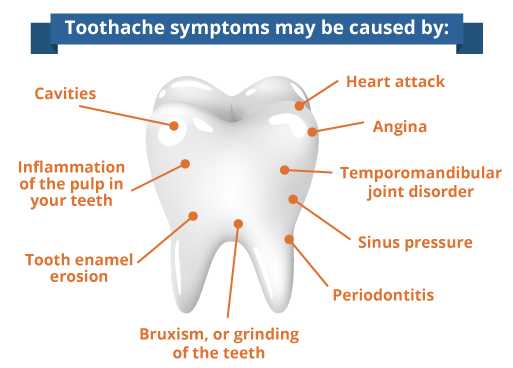
Without clean teeth, a smile will not stay healthy. Tooth sensitivity is when someone’s teeth hurt after they eat something hot or something cold. Both tooth decay and gum disease might cause those sensitive teeth. So, sensitive teeth mean a visit to a dentist. The dentist will check for problems and treat the teeth with a new toothpaste, some fluoride gel or dental work. Still, sensitive teeth may be temporary. If someone recently went to a dental hygienist, their teeth could be sensitive for a while. If a dental hygienist has scaled or removed tarter or if someone has gum recession, there may be dental pain because of the exposed root surface. When that is the case, tooth pain will be temporary, and the solution is to brush the teeth with sensitive toothpaste. The teeth will return to normal a few weeks later, and if not, check with the dentist again.
Damaged enamel can cause food sensitivity, and enamel will not come back once gone. The problem happens when the surface of somebody’s teeth erodes because of exposure to excess sugar or acid. Damaged enamel might cause cavities and pain after someone brushes or flosses. So, it could be a problem, discuss the issue with a dentist. Also, a cavity is when tooth enamel wears away until the lack of enamel exposes the teeth. Someone can see there is a cavity when there is sharp pain when biting something hard. There does not need to be a pain when there is hot or cold food on the teeth for there to be a cavity. A cavity is a hole in the tooth, and there can be serious problems if someone does not treat a cavity at the dentist with a filling right away. So, everyone should see the dentist immediately if they suspect a cavity or it will get worse.
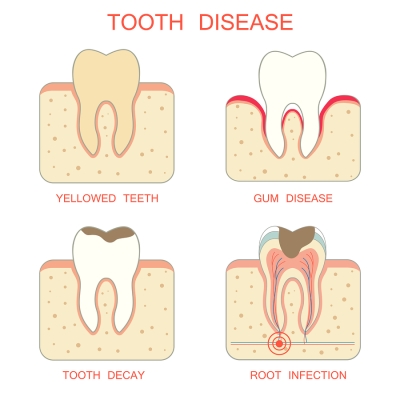
The initial stage of gum disease is gingivitis. A sign of gingivitis is bleeding gums after brushing. The gums will feel swollen and tender. If this happens, maintain proper oral hygiene and see a dentist. It is vital to treat gum disease early because it becomes challenging to deal with as the disease progresses.
If there is pain after brushing, it may mean that it is time for a new toothbrush. Dentists recommend a soft-bristled toothbrush, but some toothbrushes are still hard-bristled. So, brush for two minutes and clean all the surfaces of the teeth with a soft-bristled toothbrush for optimum teeth. It is crucial to brush the inside, outside and chewing surfaces of the teeth. Tooth pain may be something serious, or it could be only an inconvenience. Be sure to take care of teeth and see a dentist if there is pain, bleeding gums or discomfort.

