What is bruxism?
Bruxism can be both a nuisance and a source of pain for your dental health. Bruxism affects millions of people all over the world and can cause damage to the teeth, jaw joints, muscles, and nerves. Here, we’ll discuss what is bruxism and some useful information about the condition.
What are the risk factors associated with this condition?
Risk factors associated with bruxism include uncontrolled stress, a genetic predisposition to the condition, or poor muscle tone that can make it difficult to breathe comfortably while asleep. Other risk factors include alcoholism, smoking, poor diet, and sleep disorders such as snoring and insomnia. To control symptoms, anti-depressant medications and muscle relaxants can help treat the mental and physical symptoms of the condition. Anti-depressants can improve muscle tone and can help reduce stress.
What are the symptoms and signs of bruxism?
Symptoms of what is bruxism include a soft, grinding cough from the back of the throat, jaw clenching, difficulty breathing, and a feeling of discomfort or sensitivity to loud noises. When you grind your teeth, they move into the deeper pockets of your gums, which can irritate and potentially bleed the gums. Clenching your teeth can also lead to a damaged or loosened tooth. Bruxism is more common in children, but some adults may also suffer from this condition.
How is bruxism diagnosed?
It is important to regularly check for signs of a possible health problem. If you suspect that you have signs of sleep bruxism or any other sleep disorder, talk to your doctor immediately. Regular dental exams are an effective way to detect mouth infections, tooth decay, and misalignment problems. A dentist can perform a thorough exam on your mouth and teeth to find out what caused the teeth to become misaligned or how severe your current dental condition is. In addition to regular dental exams, it is important to get a comprehensive examination of your tongue, ears, eyes, and scalp regularly.

What Causes Bruxism and How to Treat Bruxism?
Bruxism is a grinding, clenching, jaw-clenching problem. It is a common problem but it can be quite difficult to treat. In most instances, however, no treatment is needed. Most children outgrow bruxism relatively quickly without any treatment, and most adults do not grind or clench their teeth as hard as they once did without treatment.
There are several potential causes of bruxism. One major cause of bruxism is stress disorders. This causes the brain to become excited and causes teeth to grind or clench during the night. In our daily lives, we are all exposed to some level of stress. While this is natural, becoming more aware of stress and finding techniques to manage it might help reduce bruxism. Mindfulness activities such as yoga, listening to music, reading a book, or going for a walk are lifestyle modifications that may be included in your everyday routine. Seeking counseling to develop efficient strategies to deal with stressful situations can also be beneficial.
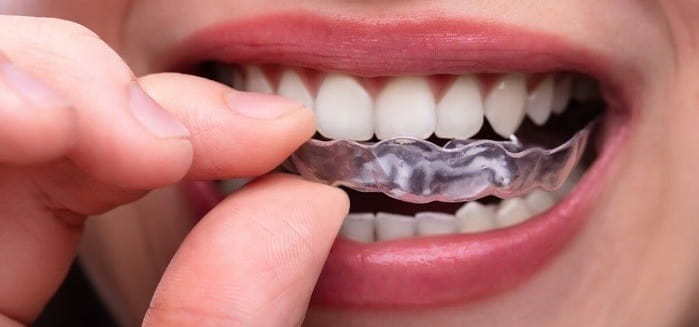
Another common cause of bruxism is dental anxiety. If you have a fear of going to the dentist then you are more likely to have teeth grinding at night. You should talk to your dentist if you think you may have a dental phobia. Your dentist may perform a thorough exam of your teeth and mouth to rule out any problems or diseases that can be the cause of your teeth grinding or jaw clenching. If the cause of your bruxism can be determined, then treatment can begin.
Conclusion
To prevent complications from sleep bruxism and other disorders, it is important to take care of your teeth, gums, and tongue. You should brush and floss regularly to remove debris that collects between your teeth and between your gum lines. You should also see a dentist for regular occlusal adjustments and dental cleanings. Dental restorations can help to improve the appearance of your smile, but they will not cure your disorder.
 Tooth Transformation