What You Should Know About Bruxism

What is bruxism? 

Bruxism can be both a nuisance and a source of pain for your dental health. Bruxism affects millions of people all over the world and can cause damage to the teeth, jaw joints, muscles, and nerves. Here, we’ll discuss what is bruxism and some useful information about the condition.

What are the risk factors associated with this condition? 

Risk factors associated with bruxism include uncontrolled stress, a genetic predisposition to the condition, or poor muscle tone that can make it difficult to breathe comfortably while asleep. Other risk factors include alcoholism, smoking, poor diet, and sleep disorders such as snoring and insomnia. To control symptoms, anti-depressant medications and muscle relaxants can help treat the mental and physical symptoms of the condition. Anti-depressants can improve muscle tone and can help reduce stress.

What are the symptoms and signs of bruxism? 

Symptoms of what is bruxism include a soft, grinding cough from the back of the throat, jaw clenching, difficulty breathing, and a feeling of discomfort or sensitivity to loud noises. When you grind your teeth, they move into the deeper pockets of your gums, which can irritate and potentially bleed the gums. Clenching your teeth can also lead to a damaged or loosened tooth. Bruxism is more common in children, but some adults may also suffer from this condition.

How is bruxism diagnosed?

It is important to regularly check for signs of a possible health problem. If you suspect that you have signs of sleep bruxism or any other sleep disorder, talk to your doctor immediately. Regular dental exams are an effective way to detect mouth infections, tooth decay, and misalignment problems. A dentist can perform a thorough exam on your mouth and teeth to find out what caused the teeth to become misaligned or how severe your current dental condition is. In addition to regular dental exams, it is important to get a comprehensive examination of your tongue, ears, eyes, and scalp regularly.

What Causes Bruxism and How to Treat Bruxism?

Bruxism is a grinding, clenching, jaw-clenching problem. It is a common problem but it can be quite difficult to treat. In most instances, however, no treatment is needed. Most children outgrow bruxism relatively quickly without any treatment, and most adults do not grind or clench their teeth as hard as they once did without treatment. 

There are several potential causes of bruxism. One major cause of bruxism is stress disorders. This causes the brain to become excited and causes teeth to grind or clench during the night. In our daily lives, we are all exposed to some level of stress. While this is natural, becoming more aware of stress and finding techniques to manage it might help reduce bruxism. Mindfulness activities such as yoga, listening to music, reading a book, or going for a walk are lifestyle modifications that may be included in your everyday routine. Seeking counseling to develop efficient strategies to deal with stressful situations can also be beneficial.
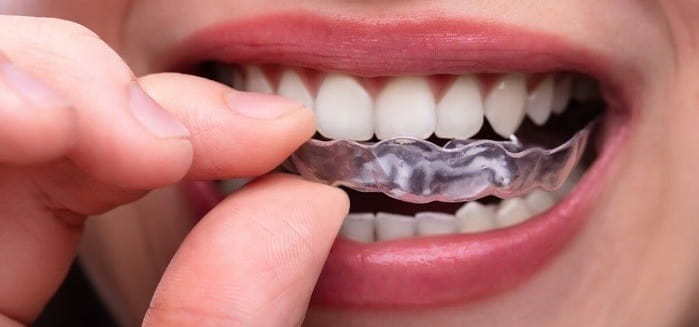
Another common cause of bruxism is dental anxiety. If you have a fear of going to the dentist then you are more likely to have teeth grinding at night. You should talk to your dentist if you think you may have a dental phobia. Your dentist may perform a thorough exam of your teeth and mouth to rule out any problems or diseases that can be the cause of your teeth grinding or jaw clenching. If the cause of your bruxism can be determined, then treatment can begin.

Conclusion

To prevent complications from sleep bruxism and other disorders, it is important to take care of your teeth, gums, and tongue. You should brush and floss regularly to remove debris that collects between your teeth and between your gum lines. You should also see a dentist for regular occlusal adjustments and dental cleanings. Dental restorations can help to improve the appearance of your smile, but they will not cure your disorder.
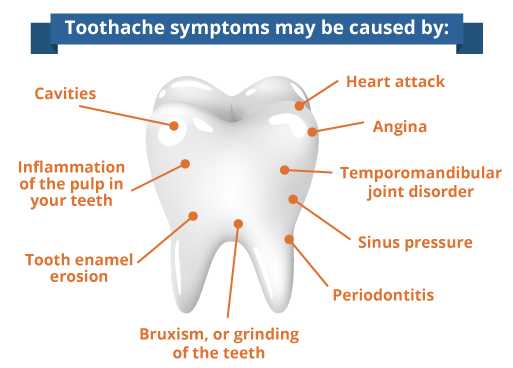
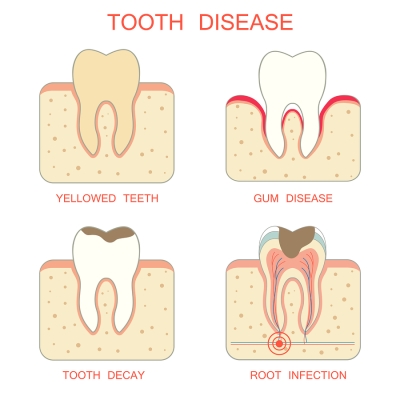
Tooth Pain’s Common Causes

If somebody has pain or discomfort after brushing their teeth, they should consider some causes of tooth pain and know what to do next after it happens. Problems with oral health can cause problems, but recognizing the warning signs can stop these issues dead in their tracks.

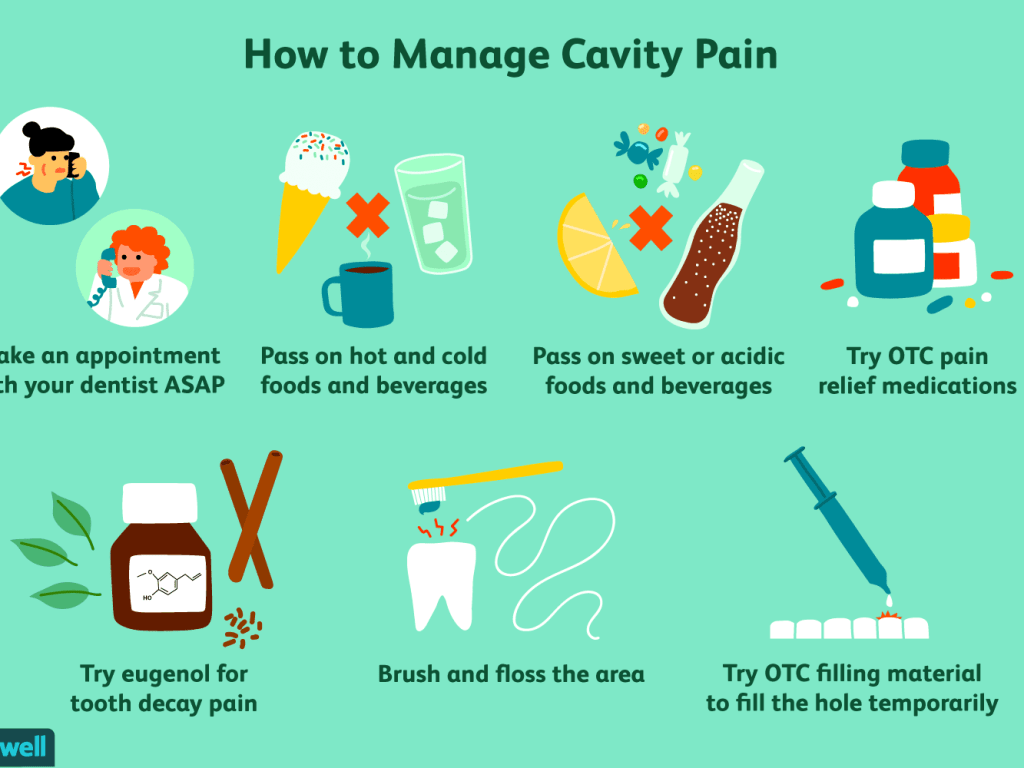
Without clean teeth, a smile will not stay healthy. Tooth sensitivity is when someone’s teeth hurt after they eat something hot or something cold. Both tooth decay and gum disease might cause those sensitive teeth. So, sensitive teeth mean a visit to a dentist. The dentist will check for problems and treat the teeth with a new toothpaste, some fluoride gel or dental work. Still, sensitive teeth may be temporary. If someone recently went to a dental hygienist, their teeth could be sensitive for a while. If a dental hygienist has scaled or removed tarter or if someone has gum recession, there may be dental pain because of the exposed root surface. When that is the case, tooth pain will be temporary, and the solution is to brush the teeth with sensitive toothpaste. The teeth will return to normal a few weeks later, and if not, check with the dentist again.

Damaged enamel can cause food sensitivity, and enamel will not come back once gone. The problem happens when the surface of somebody’s teeth erodes because of exposure to excess sugar or acid. Damaged enamel might cause cavities and pain after someone brushes or flosses. So, it could be a problem, discuss the issue with a dentist. Also, a cavity is when tooth enamel wears away until the lack of enamel exposes the teeth. Someone can see there is a cavity when there is sharp pain when biting something hard. There does not need to be a pain when there is hot or cold food on the teeth for there to be a cavity. A cavity is a hole in the tooth, and there can be serious problems if someone does not treat a cavity at the dentist with a filling right away. So, everyone should see the dentist immediately if they suspect a cavity or it will get worse.

The initial stage of gum disease is gingivitis. A sign of gingivitis is bleeding gums after brushing. The gums will feel swollen and tender. If this happens, maintain proper oral hygiene and see a dentist. It is vital to treat gum disease early because it becomes challenging to deal with as the disease progresses.

If there is pain after brushing, it may mean that it is time for a new toothbrush. Dentists recommend a soft-bristled toothbrush, but some toothbrushes are still hard-bristled. So, brush for two minutes and clean all the surfaces of the teeth with a soft-bristled toothbrush for optimum teeth. It is crucial to brush the inside, outside and chewing surfaces of the teeth. Tooth pain may be something serious, or it could be only an inconvenience. Be sure to take care of teeth and see a dentist if there is pain, bleeding gums or discomfort.

The Breakdown Of Tooth Pain 

People experience toothaches worldwide, and if a person develops a toothache, they should pay close attention to it. The reason why is because it can be a sign that you have a major oral issue or that an individual may have an issue within their body that is causing them to have a toothache. In other words, a toothache can be a warning sign that there is a problem within or outside of the oral cavity. At least if the toothache is about the oral cavity, it can be isolated, and a dentist can take care of it. Suppose the toothache, however, is a symptom of a more significant issue. In that case, for example, a problem with the digestive tract, further tests would need to be done by a primary care physician to see what the underlying cause is so it can be treated. Pain that comes from other areas of the body and is transferred to an individual’s teeth is called a referred tooth pain. 

What Is Referred Tooth Pain 

Referred tooth pain is pain that occurs in the oral cavity or the teeth due to a medical issue or pain that is being experienced in another part of an individual’s body. There are a few different reasons why individuals may experience referred tooth pain. Neurological diseases cause referred tooth pain. Any recent dental work may cause referred tooth pain. Respiratory infections and heart conditions can cause referred tooth pain as well. If an individual is experiencing sinusitis, this may cause pain in their upper teeth. The pain occurs in the upper teeth when an individual has sinusitis because the upper teeth are in close conjunction with the sinus cavity. So if the sinus cavity becomes inflamed because of sinusitis, this will cause pain in the upper teeth because of the proximity that the teeth are to the sinus cavity. When it comes to an individual having recent dental work, such as receiving a filling tooth, pain may jump from one tooth to another through pain signals. This type of tooth pain usually resides within one week, possibly two of the dental work being done. These are just a few examples of how referred tooth pain occurs.

How To Treat Toothaches 

Individuals who experience toothaches usually want instant relief because the pain can be excruciating. The wise thing to do would be to schedule an appointment with a dentist and then the individual can use home remedies to alleviate the pain instantly. Some oral creams and gels can be purchased over the counter. There are also over-the-counter non-narcotic pain medications such as acetaminophen and ibuprofen that could be used to alleviate toothaches. Once the individual attends their dentist appointment, the dentist will point out if the individual is having referred tooth pain or not. The dentist will identify if the referred tooth pain is from a dental issue or a non-dental issue. If the referred tooth pain occurs from a non-dental problem, the dentist will refer the individual to see their medical doctor for further treatment of the underlying cause.

Individuals experience toothaches all over the world and usually, these toothaches are because of oral issues, but in some instances, they are non-dental reasons. So it is suggested that individuals not try to figure out why they are having tooth pain on their own and see a dental professional instead. Because referred tooth pain can occur for various reasons such as lung issues, heart issues, migraines, sinusitis, and much more, consulting a dentist is wise so the individual can get the proper medical treatment for any underlying conditions that are causing the referred tooth pain. 

DISTINCTION AMONG TOOTH BRIDGES AND DENTAL CROWNS

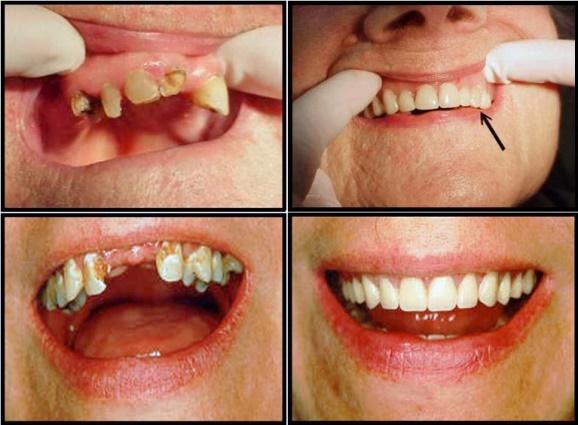
If you got two or even more lost teeth, your dentist might advise you to re-settle them with new ones. There are solutions, like dentures, that you might pull out and wash, but they can slip about, move, or drop out, which so many individuals will find unacceptable. As a consequence, crowns attached to dental implants and bridges that manage somewhat like your real teeth are accessible. So if you need to select among crown implants and bridges, what would be the better decision for you? We’ll compare and look at the features, variations, positives, and negatives of such two settled fake tooth alternatives so even if you get one or two fake teeth, your mouth will seem as real as possible.

Dental Crowns and Dental Bridges

A dental crown can be used to cover broken or decayed teeth or to substitute the broken teeth whenever it is put on a dental implant. Dental implants are metallic that are permanently affixed to the jaw bone under the gums. Osseointegration is the procedure by which metallic implants get connected to your bone. This procedure offers a foundation on that you might depend when consuming and talking. The recovery period after getting an implant can vary from six to twelve weeks. The doctor will next place a metal post in your implant, upon which the crown would be organized.

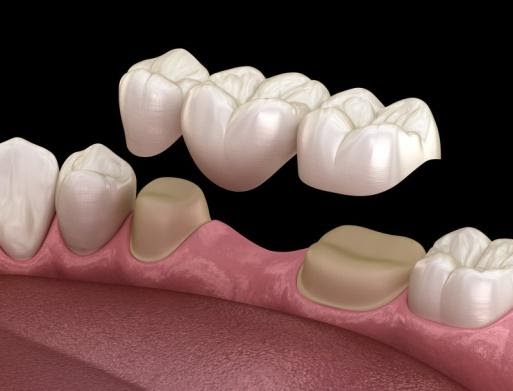
Bridges, on either side, are only utilized to substitute tooth that are lost. They comprise 2 crowns, one on either side, or a bridge of tooth replacement that lies in the gum line where lost tooth has taken place. The crowns at the edges of a bridge can attach to teeth or be connected to dental implants by your dentist.

Irrespective of matter which one of these teeth replacement alternatives is better for you, they may be quite helpful to your dental well-being. Gaps in areas where tooth has been vanished could enable your remaining teeth to rotate or move into the open spaces, leading to a poor bite. Moreover, lost teeth can create dental problems and temporomandibular joint (TMJ) issues.

What Is The Function Of Crowns?

A crown is on a broken or damaged tooth to assist maintain its structure, stability, form, and look. While you’re lost a tooth, a dentist will put a dental implant on which your crown will be settled.

The crown will be constructed just one or a combination of different elements. Although gold metal and several other metal alloy choices are reliable and cost-effective, they will not appear like your other teeth. Crowns made of porcelain, acrylic, or ceramic can be more precisely matched to your real teeth. Acrylic or ceramic are considered to be long-lasting.

What is the Function of Bridges?

Vary from crowns, which can be used to fix broken teeth; bridges are utilized to substitute 1 or even more lost teeth. Your doctor will put crowns on a filed-down tooth or dental implants at the external borders of your lost teeth to establish a bridge. Pontics are substitute teeth that cover the gap between the caps wherever teeth are lacking.

You may choose from a variety of materials for your bridge, just as you do with dental crowns. The dental expert is in the greatest condition to help you choose the right product for your requirements. Therefore, you would like to think about and talk about several things, including how visible the tooth is, how much it costs, how strong it is, and how it appears.

What Is The Process Of Making A Crown?

Your dentist will take an imprint of your mouth if you’re receiving a crown for a broken or decaying tooth. Doctors will be willing to decide the optimum form for your replacement tooth using that sample. Usually, your tooth model must be shipped to a laboratory at which the crown will be created, which might take several weeks.

What Is The Process Of Making A Bridge?

The tooth on the outside margins of the region of absence will be decreased in size; prior to your dental specialist can make your bridge as it will fit correctly on teeth – if such bridge is placed on implants. Your dentist will next make an imprint, exactly as with a crown, to create an accurate mold for the bridge.

The dental clinic will either make your bridge in-house or transfer the sample to a medical laboratory using this imprint. Whereas the laboratory creates your bridge, your dentist will wrap the prepared teeth with artificial crowns or bridges.

EXTRACTIONS AND DENTURES ON THE SAME DAY

Do you ever experience like you’re not deemed suitable without a smile on your face? And your teeth are going to be extracted, and the dentures won’t be available for another six weeks?
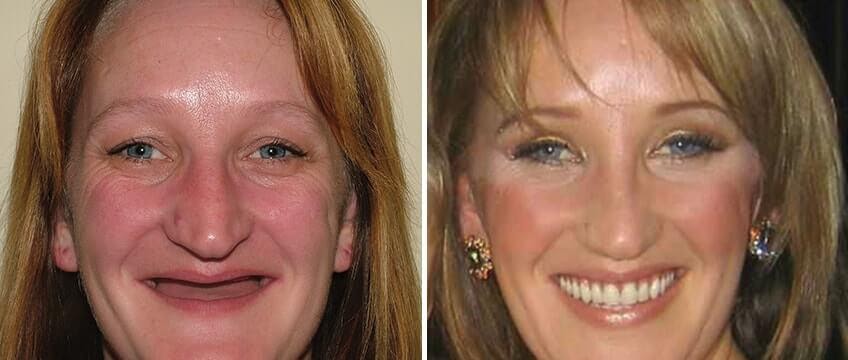
Tooth extraction and denture implantation on the same day might allow you to dress up with a smile without skipping a beat. Consider what to anticipate as well as the benefits and drawbacks of same-day extraction and dentures before committing to the procedure. Check out if you’re suitable for urgent dentures as well. All you need to understand about same-day dentures are going to be revealed. You may now confidently choose the finest denture selection for yourself.

You may keep your gorgeous smile without even any delay, worry, or tension with same-day dentures. But, not everyone is a candidate for same-day extractions and dentures.

Immediate Dentures and How Do They Work?

Immediate dentures can help you enter into your dentist’s office to have your teeth pulled and go out with a fresh new look the same day. Such prosthetics, often called temporary dentures, can help you during your removal and before your real dentures are prepared.

If you’re prepared to go through a four-to-five-visit procedure with your dentist, your partial dentures might be prepared for you right after your teeth are extracted. What you anticipate throughout the extraction and temporary denture procedure is as follows:

  • If your dental surgeon recommends it, your back molars will usually be extracted weeks prior to the actual remainder of your teeth. These areas of your gums will have recovered by the time you finish your partial dentures.
  • Your dentist will make bite imprints, examine the size of your teeth, and evaluate the color of your teeth.
  • Your dental professional will construct your partial dentures to match the color and texture of your natural teeth (or tooth), depend on the knowledge obtained. 
  • You’ll be prepared for everlasting dentures once your teeth are extracted. So you’ll get your artificial dentures, which have already been made.
  • While your final dentures are being made, you may continue to smile.

Benefits and Drawbacks of Immediate Dentures

If you have quick dentures after extraction, you’ll have a lot of advantages, but you’ll also have some downsides.

Benefits

  • Extraction sockets are protected and bleeding is reduced throughout the recovery process.
  • Avoiding jaw atrophy and dealing with other dental problems.
  • Getting rid of a long time without teeth.
  • Preventing uncomfortable social situations and self-consciousness.
  • Protecting your present lifestyle and personality.
  • Enabling sooner rather than later adaptations to consuming, speaking, and going on with life with dentures.

Drawbacks:

  • Expenses for practically two sets of dentures.
  • Temporary dentures may lose with duration as the gums recover and shrink, causing pain.
  • Having several dental sessions before and after obtaining temporary dentures, particularly if they have to be refitted as the gums recover and shrink.
  • Not being able to see how the dentures would appear before they are placed.

What if I told you that you’re not alone if you don’t have any teeth? According to the study by the American Dental Association (JADA), over 10% of individuals aged 65 and older have lost all of their teeth, with more than 33% of those in that age range having lost six or even more teeth. In addition, 32% of individuals aged 18 to 64 had lacked teeth.

Is Immediate Dentures Right for You?

Even though instant dentures appear to be a better match, they may not be the best solution for you. This could be owing to the treatment’s intricacy or the necessity for further oral treatments. When planning for immediate dentures following extraction, your doctor, oral surgeon, and several other dental specialists will evaluate the following considerations:

  • Age.
  • Your psychological and emotional well-being.
  • An uneven bite, tooth decay, or severe dental problems are all examples of oral health problems.
  • Your physical well-being, particularly whether you’re:
    • Having to deal with a severe illness.
    • Having problems with blood clotting or your circulation.
    • Going through radiation or chemotherapy procedure.

Having extraction process and dentures simultaneously may be a realistic option if you need teeth extraction but wish to preserve a smooth smile and dental functionality. Although what you wore from ear to ear is important, know what’s coming, what the benefits and drawbacks are, and what your dental specialists have to suggest before deciding on a same-day treatment.

Do get guidance from your chosen oral surgeon or dentist on the appropriate denture and tooth extraction options. Keep in mind that your mouth, teeth, and dental hygiene are all special. As a result, you must seek medical treatment from a reputable doctor or oral surgeon.

IS A FLIPPER DENTURE THE BEST CHOICE FOR YOU?

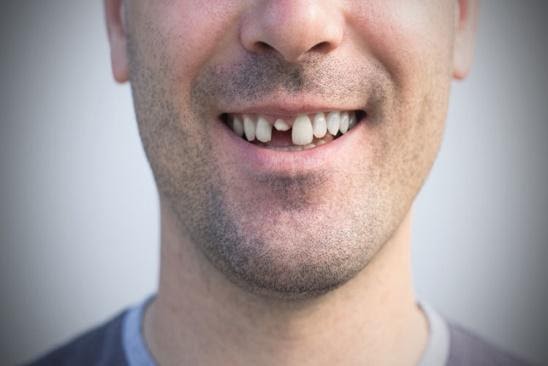
You could be self-conscious about the growing gaps in your smiling if any front tooth is lost due to accident or decay. Flipper dentures, a form of brace with fake teeth, can be utilized immediately once to solve these problems. Continue reading to discover further about flipper dentures and consult with your dentist.

What Are Flipper Dentures and How Do They Work?

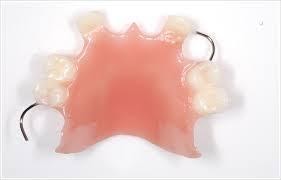
Flipper dentures, sometimes called acrylic detachable partial dentures, are a form of artificial denture that may be used to close the gaps in your mouth. Such dentures are often utilized to replace the lost front tooth and comprise of a brace with one or more prosthetic teeth.

What Is the Procedure for Getting Flipper Dentures?

If any of your front teeth have been damaged due to accident or decay, the initial step would be to see your dentist for an assessment. They’ll assess if you’re a strong choice for a flipper denture and start the procedure of preparing you for this. Your dentist will have to make an imprint on your mouth to construct the denture. The imprint will then be used by a dental lab to create your flipper denture.

What Are the Prices of Flipper Dentures?

The price of flipper dentures varies based on how many replacement teeth you require. Your dental flipper will charge you between $300 and $500, as per the Partial Denture price Guide. The true amount, although, is determined by the components used by your dentist and the number of teeth that have to be replaced. Your dentist clinic would be willing to inform you how much you should pay. Nonetheless, flipper dentures are the most affordable type of artificial denture. If you have your procedure at a nearby dental school, you might be willing to decrease your out-of-pocket payments even more.

When You Initiate Utilizing Flipper Dentures, Here’s What to Anticipate

It’s possible that your fresh flipper denture will appear bulky or uncomfortable in your mouth at first, but then you’ll become used to it with age. Consult your dentist if you experience any pain or discomfort as a result of your dentures. Discomfort or irritation isn’t anything you should become used to; they’re signs that your dentures have to be changed. It’s a straightforward solution that your dentist will be much more than delighted to assist you with.

You’ll be able to rotate your flipper denture out of place with the tongue since it’s a blocker. To hold the item in position, try not to mess with it with your tongue. Dentures with flippers are also resistant to discoloration. To maintain your equipment strong and healthy, stay away from strongly pigmented refreshments like coffee, strong juices, and curry.

What’s the Best Way to Take Care of Flipper Dentures?

Bacteria and food pieces must be removed from your flipper dentures daily. To wash your dentures, use a soft-bristled toothbrush instead of toothpaste. Toothpaste can be harmful to dentures. Rather, use a light soap such as hand soap or liquid soap, according to the ADA. Cleanse your dentures well before putting them back in your teeth to confirm that all of the soap has been rinsed off.

What Happens When a Flipper Denture Is Placed?

Flipper dentures are generally only used for a short period. A lasting treatment, such as dental implants or a permanent bridge, might be utilized once the wound created by your lost teeth has recovered. With time, flipper dentures could become loose and unpleasant. As a result, for many people, they’re not a nice long-term alternative.

Flipper dentures, on the other hand, may indeed be a good permanent tooth substitute choice in some instances. If you’re not a good choice for dental implants or a permanent bridge, your doctor may prescribe long-term dentures. If you are on a budget, a flipper denture could be the most cost-effective option for you. Flipper dentures might be a wonderful preliminary stage toward regaining your appearance and comfort if you’re losing one or more primary teeth. It’s not late to inquire with your dentist if flipper dentures are a viable choice for you.

Benefits

A flipper denture has certain advantages that make it a desirable replacement tooth choice. These are some of them:

Accessibility: They’re lesser costly than the majority of several other partial denture options.
Appearance: They look to be quite realistic.
Prepare quickly: After your dentist makes an imprint on your mouth, you don’t have to wait much for the flipper tooth.
It’s simple to put on: To use your flipper tooth, simply place it in your teeth.
Your present teeth will be stabilized: They are less willing to adjust as a result of this.

Why You Should Be Flossing

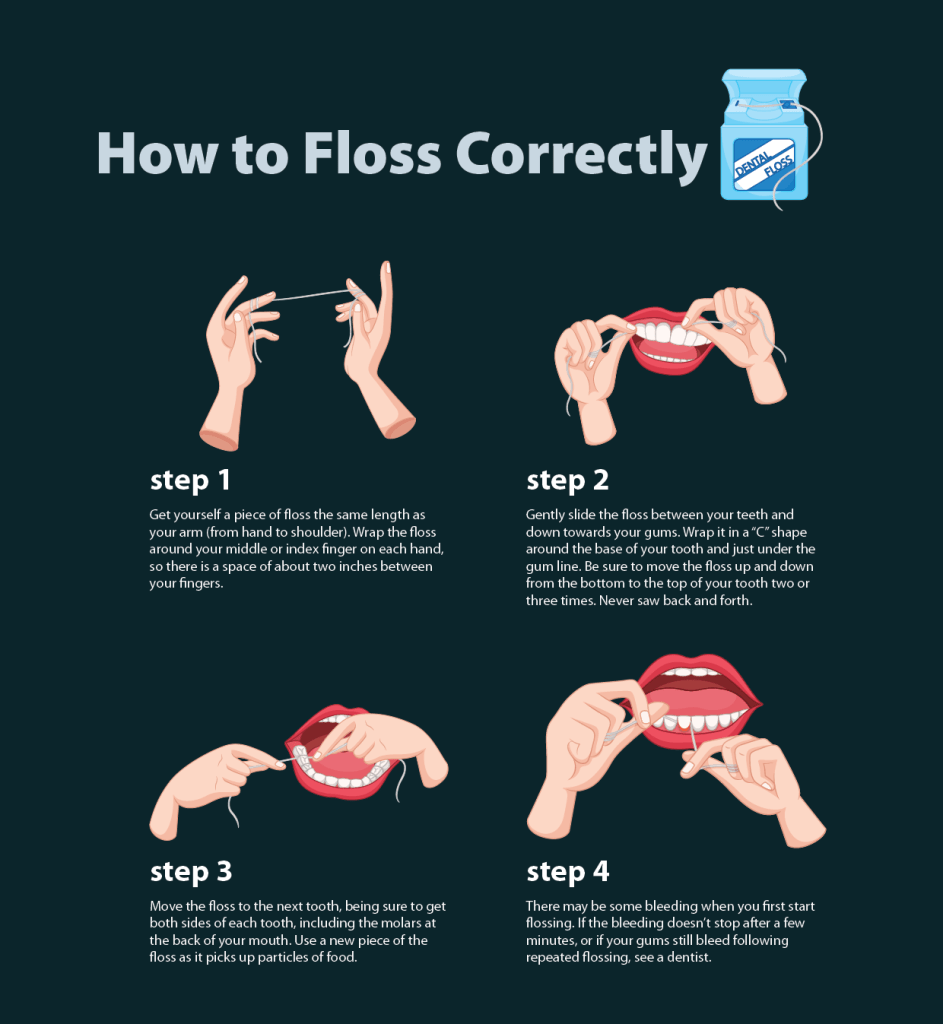
So you think flossing isn’t important huh? If flossing is not part of your daily routine, then 

I have some news for you – you are going to die from mouth cancer at a very early age. Okay, that may have been a slight exaggeration, but I had to do something to grab your attention. Here is the deal; a lot of people feel like brushing your teeth is good enough to keep your dental hygiene in good shape. However, brushing your teeth is actually just the bare minimum, and you should be doing more than just brushing if you want to ensure that you are taking care of your dental hygiene. Flossing should actually be a routine part of your day everyday, and there are no ands, ifs, or butts when it comes to flossing. This is 2021, and simply brushing your teeth twice a day is no longer enough. Especially if you are living in the United States, where our diet is overstuffed with sugar and high fructose corn syrup, you are going to want to be doing a lot more than just brushing your teeth in order to keep your teeth and gums in their best condition. I put together a quick list of reasons why you should be regularly flossing your teeth so that you will hopefully take my advice and stop ignoring your very at-risk dental hygiene habits.

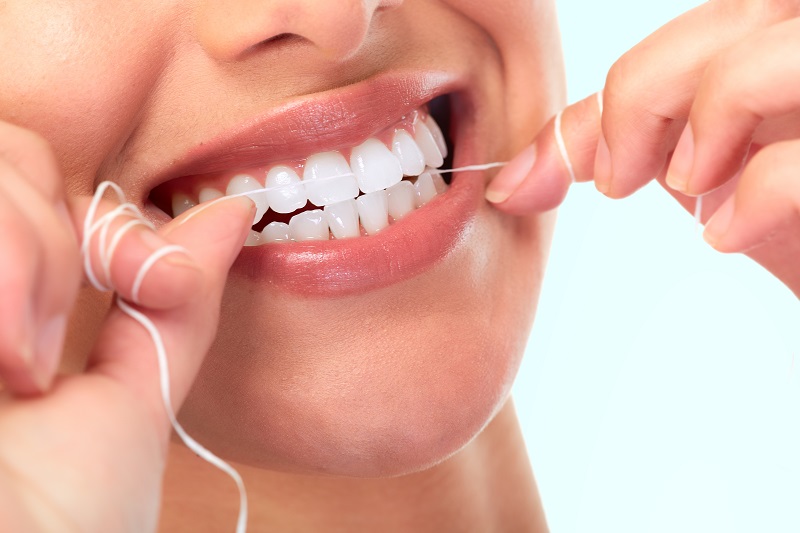
So the first thing you need to know about why flossing is important is that the tooth has 5 different services, and that brushing only gets to 3 of them. Think about your teeth for a moment. Maybe open up your phone camera or go over to a mirror to even look at them. Notice how the cracks between your teeth are unreachable for your toothbrush. Do you think that plaque and tartar will just magically stay away from these areas, simply because you’re too lazy to regularly floss your teeth here? The answer is no. In order to reach all 5 surfaces on the tooth, you need to floss. When food gets stuck in the gaps between your teeth, it can lead to plaque and tartar building up – this can cause tooth decay if untreated for too long. That’s why flossing is important, because you can get into these hard-to-reach places and make sure there is no breeding ground for bacteria!

Another thing that can happen when you decide to not floss your teeth is that you can develop gum disease. That’s right – it is true that plaque and bacteria can build up easily in the spaces between your teeth. If you are not regularly flossing, they can stay in there for too long and become infected or eat away at your gum tissue, which is extremely uncomfortable I have heard. So please listen to me and start flossing your teeth. In addition to taking better care of yourself, flossing your teeth will also impress the dentist, and you can for once feel like someone is proud of you for something in your life. I’m sure that that feeling will also improve your mental health as well. What’s not to love about flossing?

And just in case you are wondering, the best time to floss your teeth is at night right before you go to bed. Dentists recommend flossing before you brush your teeth at night.

The Best Ways to Prevent Tooth Decay

We all know what makes the best first impression for us. For some people, they notice people’s hair first – or their eyes – or something like that. For me, it has always been teeth. Teeth are usually the first thing I notice about someone when I am meeting someone for the first time. Consequently, I assign a lot of value to the health and hygiene of a person’s teeth, whether I want to or not. If you are likeme, then you are probably concerned about your own teeth quite a lot then as well. Well, I have good news and bad news for you. The bad news is that we are all at risk of developing tooth decay over the course of our lifetime. The good news is that there are things we can do to stop tooth decay from happening, so long as we are proactive about it and don’t neglect our oral hygiene. Because I care about you so much, I went ahead and researched how to avoid getting tooth decay so that you wouldn’t have to. So sit back, relax, and pay attention to this short article I have written about preventing tooth decay in your lifetime.

So if you are looking to prevent tooth decay, or even reverse it in some cases, then fluoride is going to be your best friend. Fluoride is one of the best substances out there because it works to prevent mineral loss in the tooth’s enamel and also replaces those minerals in the enamel. Fluoride is so beneficial to our dental hygiene that many more developed countries have started to put fluoride in their water supply to help citizens fight tooth decay.

A macro shot of a molar with a cavity

Fluoride is also in pretty much any kind of toothpaste, mouthwash, or commercial tooth product that you might find somewhere in stores. Fluoride can also be bought from various stores and it is sold in capsule, tablet, or gel form that can aid in the prevention or reversal of tooth decay. This is super important information for you or a loved one if tooth decay is becoming a problem in your life. Hopefully you can prevent more trips to the dentist by using fluoride to fight off plaque, bacteria, and ultimately tooth decay.  

Another way to prevent tooth decay is to watch what you are eating. Remember that every sugary food or drink that we eat produces acid attacks on our teeth that produce bacteria and eat away at our enamel. What a tragic and scary thought this is – to think that everything you eat is trying to eat away at your mouth. Why are we even allowed to eat sugar and all that? Some tips for avoiding tooth decay in regards to eating might be to reduce the frequency with which you eat sugary foods. For instance, it might not be a good idea to eat candy between each meal. Regardless of the all around poor nutrition that candy offers, this eating habit will also cause frequent and repetitive acid attacks on one’s teeth and create a lot more bacteria which can lead to tooth decay. The other important thing to keep in mind is that brushing your teeth twice a day for 2 minutes each time is the single best way to fight bacteria, plaque, and tooth decay in your mouth.

Whitening Your Teeth At Home

Are you tired of your teeth being ugly and gross looking? Well, you’re not alone. In fact, many people all over the world struggle to keep their teeth looking nice and pretty all year round, especially when the seasonal depression starts to kick in and it becomes a lot harder to take care of themselves. I know from personal experience that keeping your teeth white can be somewhat of a daunting task, especially when you think about all the food and beverage products we consume regularly that tend to stain and yellow our teeth. I personally have always had a hard time trying to keep my teeth white, especially when combining my love of coffee with my love of going days on end without brushing my teeth. When you factor in these two elements, it’s no wonder why my teeth look like the bottom of a public bus seat.

Well, I started to research different means of whitening your teeth at home. You might be wondering why I wouldn’t just head to Walmart and pick up some whitening strips or something like that – well, the problem with commercial products that you can find in stores to whiten your teeth are often way overpriced and aren’t all that special. In fact, the active ingredients (the thing that actually does the whitening) are basically just some basic household items that are way cheaper than what the products cost. I know that this is really unfair for people like you and me, so I decided to put together a list of teeth whitening methods that can be done at home for extremely cheap compared to any products you’d find in stores.

The first tip I have for you about teeth whitening is through a thing called hydrogen peroxide. If you are unfamiliar with what hydrogen peroxide is, then all I have to say to you is that I don’t really know what it is or what it does, I just know that you can use it for a lot of different things. One of those uses happens to be teeth whitening, which is actually backed by science and totally works. Using hydrogen peroxide to whiten your teeth is way better than using some form of whitening strips because a bottle of hydrogen peroxide is way cheaper and also extremely easy to use. Hydrogen peroxide has actually been used for centuries to whiten people’s teeth as well as kill bacteria in the mouth. So if it was good enough for royalty in the 1600s, then it’s good enough for you. If you want to whiten your teeth with hydrogen peroxide, simply put some in your mouth mixed with water and swish and swirl it around like you would with mouthwash or something. Hydrogen peroxide is actually one of the active ingredients in most toothpastes and dental products, so you know that it works.

Another way to whiten your teeth is through this thing called oil pulling. The action of oil pulling is very similar to that of whitening your teeth with hydrogen peroxide, but instead you can use sunflower or coconut oil and swish it around in your mouth for about 15 to 20 minutes. Unlike hydrogen peroxide, there is no scientific evidence that oil pulling can actually whiten your teeth, so do with this knowledge what you will I suppose.

How To Whiten Your Teeth

If you are spending a lot of time worrying about how white your teeth are, then you are not alone. A lot of people tend to be self-conscious about keeping their teeth sparkling and white, and it can cause some stress and insecurity in a lot of people’s lives. Luckily, in our present day and age, we have numerous resources available to us to whiten your teeth pretty much whenever we want. Imagine living in the 1800s, when teeth would basically rot out of people’s mouths and there was pretty much nothing that you could do about it. I, for one, would hate living in such a time. That’s why I’m super thankful for the modern medical technology and dental hygiene of our time – we are truly blessed to live in such comfort day in and day out. Anyways, the real reason I am writing this article is to talk about some of the best ways in which you can whiten your teeth. It is true that there are a lot of products available to people who want to whiten their teeth, but there is actually a huge problem with most of these products. What are the problems associated with these products? Well, they are largely expensive and do not usually work all that well.

What kind of products do you like to buy for your teeth whitening activities? Well, I hate to be the bearer of bad news, but if you are buying these products made by toothpaste and mouthwash brands, then you are pretty much wasting your money. Teeth whitening products are so expensive for basically no reason. With the profit margins that these companies are making on some silly whitening strips, selling these things to gullible consumers might as well be highway robbery. Luckily for you, I have done a lot of research on how to whiten your teeth at home without having to pay for all those expensive whitening products that you might grab from the shelves at the pharmacy. So if you are on a budget and still looking for ways in which you can whiten your teeth, then read very carefully and take some notes! 

The first product that I want to talk about is called hydrogen peroxide. If you are unfamiliar with what hydrogen peroxide is, pretty much all that you need to know is that it is one of those miracle substances that people use for just about everything. It can be used as a cleaner, a disinfectant, and in our case, whitening teeth! That’s right, hydrogen peroxide is actually super good at whitening teeth. In older times, hydrogen peroxide was actually used to kill bacteria in people’s mouths and to whiten teeth as well. It is actually an active ingredient in most regular teeth whitening products that you would find at the store.

Hydrogen peroxide is usually found in the pharmacy section at any store or supermarket in a brown/gray bottle, and it is relatively inexpensive to pick up. I will say that hydrogen peroxide can potentially harm your mouth if you do not use it appropriately, and will definitely be harmful to you if swallowed in large quantities. So be careful when using this substance! My favorite method of whitening teeth is to mix 1 part hydrogen peroxide with 2 parts water, and swish it around in my mouth like you would any sort of mouthwash.